
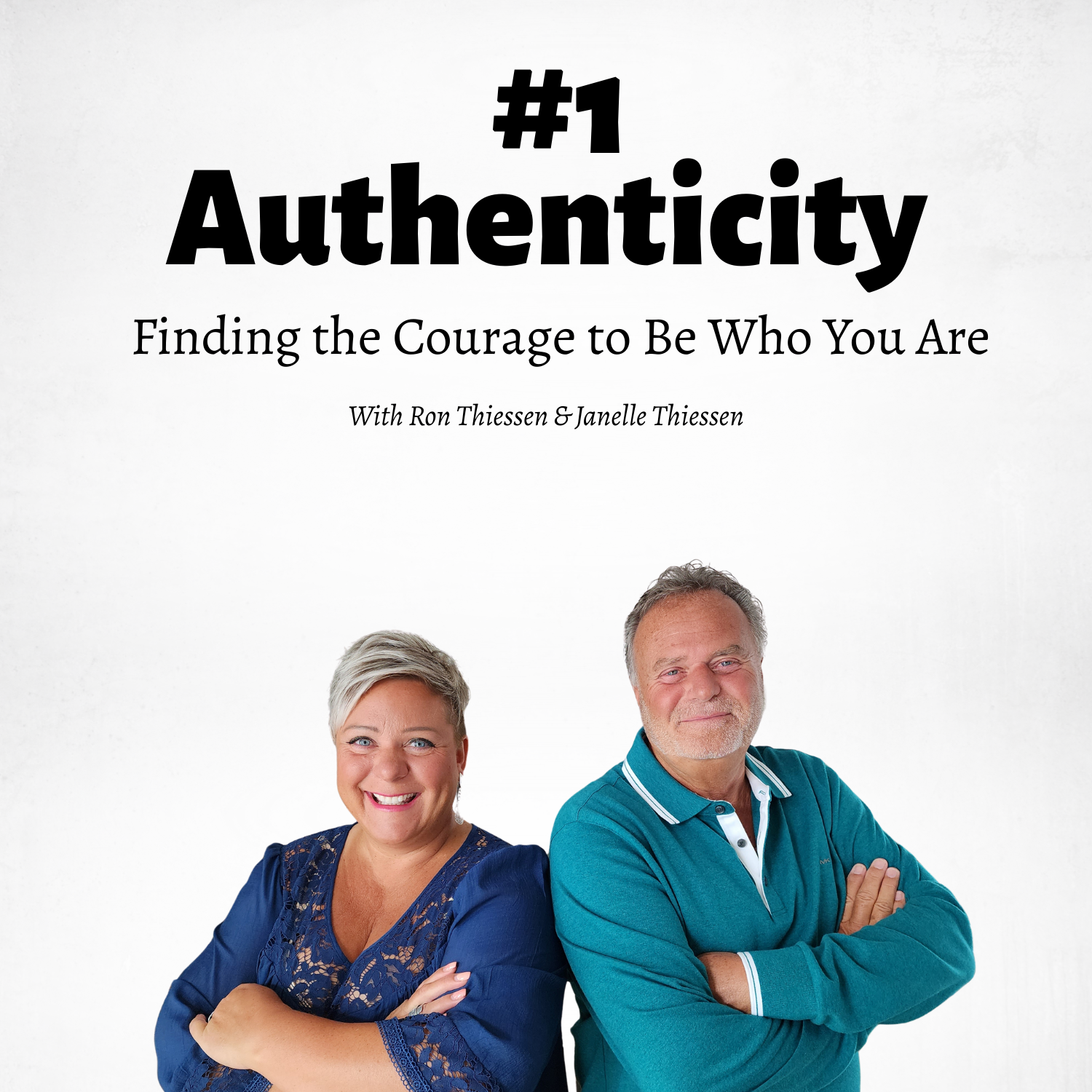
#1 Authenticity: Finding the Courage to Be Who You Are
“You either walk inside your story and own it, or you stand outside your story and hustle for your worthiness.”
Authenticity is often described as something soft or aspirational—but in practice, it’s anything but easy. Being authentic asks for honesty in a world that rewards performance, perfection, and approval. It asks you to notice where you’re adapting to expectations rather than listening inward.
Sometimes the most unsettling realization isn’t wondering how to become more authentic—it’s recognizing where you’ve been out of alignment without even noticing.
Let’s explore authenticity as a practice—one deeply connected to worthiness, mental health, and how we relate to ourselves and others.
Worthiness Comes First
Authenticity begins with worthiness. Not earned worthiness. Not conditional worthiness. But the belief—often challenged, sometimes forgotten—that you are already enough.
Many people grow up absorbing the message that acceptance is tied to behavior, achievement, or fitting a role. Over time, that message becomes internalized. Authenticity then feels risky, because it threatens the strategies once used to stay safe or loved.
🪞 Try This: Tracing the Story
Take a few quiet minutes and reflect:
When did I first learn that I had to prove my worth?
What behaviors do I still use to earn approval?
If I truly believed I was worthy, what would I stop doing?
Awareness is the first step toward choice.
“Enough” Isn’t a Destination
Authenticity doesn’t arrive all at once. Many people believe they’re being true to themselves—until discomfort appears. That discomfort often signals that a role, preference, or expectation no longer fits.
Sometimes authenticity doesn’t look bold or expressive. It looks like needing space. Wanting less. Or acknowledging that something once desired no longer feels right.
Letting go of outdated identities can be uncomfortable—but it often brings relief.
🪞 Try This: Role Check-In
Ask yourself:
What roles or expectations am I still living out of habit?
Where am I pretending to want something I don’t?
What feels heavy that once felt necessary?
Notice what no longer fits without judging why.
The Inner Critic: Protective, But Not in Charge
The inner critic is often mistaken for truth. In reality, it usually formed as a protective mechanism—trying to prevent rejection, failure, or embarrassment. While its intentions may have once been helpful, its guidance is often outdated.
Authenticity doesn’t require silencing this voice. It requires changing your relationship with it.
🪞 Try This: Reframing the Voice
When self-criticism arises, pause and ask:
What is this voice trying to protect me from?
Is this protection still necessary?
How would I respond if I were leading with compassion instead of fear?
You can acknowledge the voice without obeying it.
Authenticity and Mental Health
Living out of alignment is exhausting. It creates internal friction that often shows up as anxiety, irritability, burnout, or a vague (or not so vague) sense of dissatisfaction. Sometimes the clearest sign of inauthenticity isn’t dramatic—it’s the absence of peace.
Living authentically isn’t about being unfiltered or reactive. It’s about living in closer alignment with your values—especially the ones you didn’t consciously choose, but now need to examine.
🪞 Try This: Values Alignment
Take a moment to identify:
Five values that genuinely matter to you
One area of your life where your actions don’t reflect those values
One small change that would bring them closer together
Small shifts can create meaningful relief.
A Mini Authenticity Experiment
Growth doesn’t require a full personality overhaul. It often begins with experimentation.
Choose one situation where you typically shrink, shape-shift, or people-please. Then, just once, show up a little more honestly.
That might mean:
Saying what you actually think
Asking for what you need
Setting a boundary
Choosing comfort over performance
Afterward, reflect:
How did it feel beforehand?
What actually happened?
How do I feel now?
If it felt more aligned—even imperfectly—it may be worth repeating.
Authenticity in Relationships
Authenticity doesn’t happen in isolation. It unfolds in relationship—and that can be vulnerable terrain. When one person shows up more honestly, it can strengthen connection… or temporarily unsettle it.
Both responses are information.
If you’re sharing your truth, notice whether you’re communicating with clarity and care. If you’re receiving someone else’s truth, notice your reflexes.
🪞 Try This With Another Person
When honesty feels challenging, pause and ask:
What fear is being triggered in me?
Am I reacting to the present—or to the past?
Can I meet this moment with curiosity instead of defense?
Creating space for truth—yours or someone else’s—is an act of trust.
Closing Reflection
Authenticity isn’t a single decision. It’s a series of small, brave moments—choosing alignment over approval, honesty over habit, and self-trust over performance.
It asks ongoing questions:
Who am I becoming?
What do I truly need?
Am I willing to tolerate discomfort in service of integrity?
Being authentically you is demanding—but it’s also freeing. And over time, it creates a life that feels less forced and more your own.