
#6 Influence and Leadership: The Power You Hold (Whether You Know It or Not)
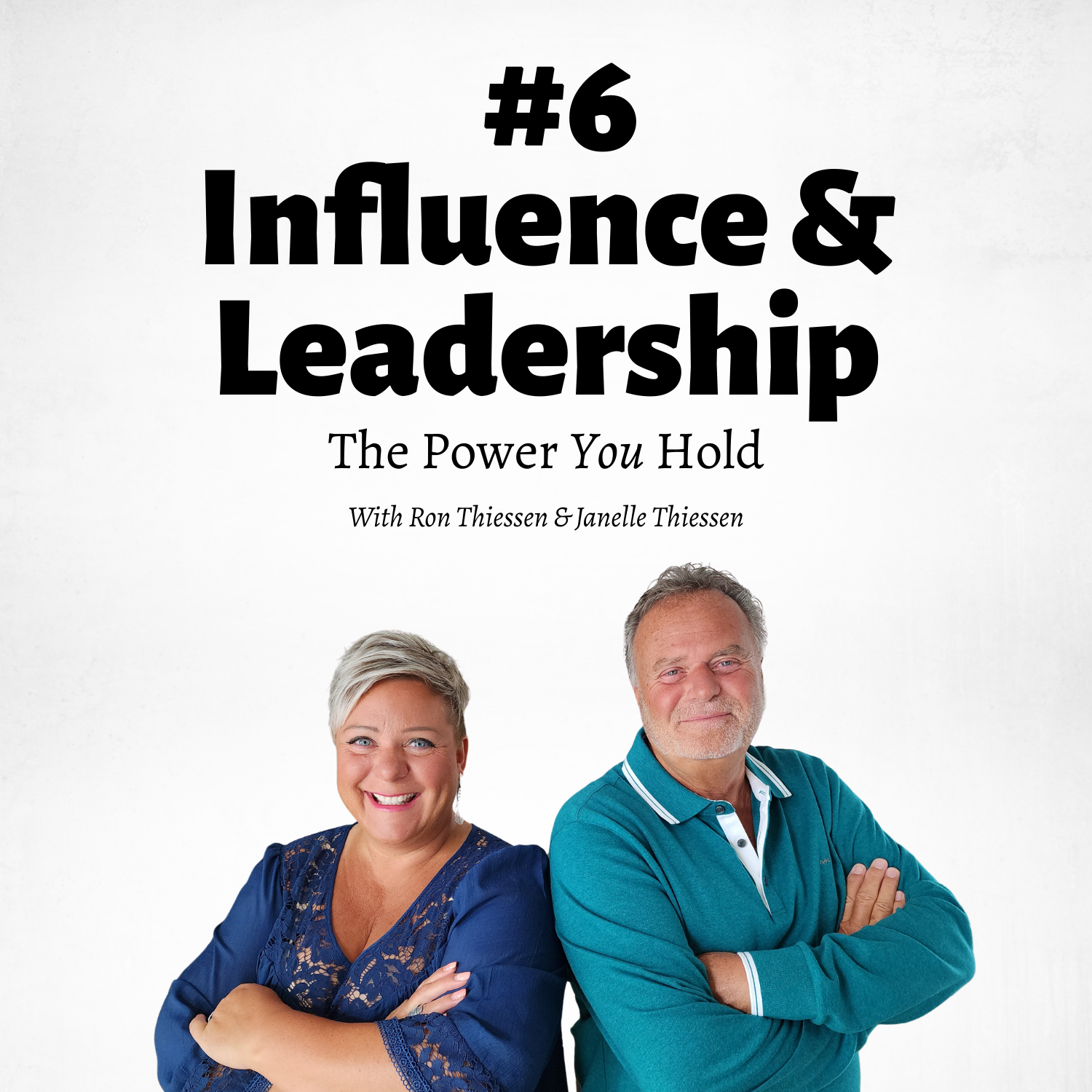
“Leadership is not about titles, positions, or flowcharts - it’s about one life influencing another.”
Leadership is often associated with titles, authority, or visibility. But influence—the kind that quietly shapes people and environments—operates on a different level. It shows up in everyday moments, often without announcement, and it belongs to far more people than those who formally “lead.”
Influence is something inherent, relational, and unavoidable. Whether you intend it or not, the way you show up affects others. The real question isn’t whether you have influence—but how consciously you’re using it.
Influence: The Energy You Bring Into a Room
Influence isn’t about control or persuasion. It’s the ability to shape the emotional and relational tone of a space through presence alone. Some people carry it visibly—others more subtly—but it’s always at work.
Influence often becomes most noticeable in group settings: how people respond when someone speaks, who others look to for cues, or whose mood seems to ripple outward. Some people are naturally magnetic; others influence quietly through steadiness, insight, or care.
🌀 Try This: Noticing Your Influence
Think about a few different spaces in your life—work, family, community. Ask yourself:
How do people tend to respond when I’m present?
Do I notice shifts in energy, mood, or direction around me?
Where do others seek my input—directly or indirectly?
No judgment—just observation.
Leadership: Influence With Intention
If influence is something that happens naturally, leadership is what happens when influence is used deliberately. Leadership isn’t about position; it’s about direction.
Some people have influence but don’t see themselves as leaders. Others hold leadership roles but struggle to influence meaningfully. The most effective leadership emerges when influence and intention align.
Leadership, at its best, doesn’t draw attention to itself. It creates clarity, momentum, and shared ownership.
🌀 Try This: Influence vs. Intention
Reflect on a current role you play:
Where do I influence without intending to?
Where could I be more intentional with the influence I already have?
What direction am I (consciously or unconsciously) setting?
Influence Comes in Different Forms
Not all influence is bold or charismatic. Some of it shows up in quiet consistency—in being the person others trust, follow, or feel steadied by.
Every person has influence because every person has something to offer. The danger isn’t lacking influence—it’s failing to recognize it.
When influence goes unnamed or unclaimed, it can drift. When acknowledged, it can be directed toward something constructive.
🌀 Try This: Naming Your Gift
Ask yourself:
What do people often come to me for?
What qualities do others seem to rely on in me?
What feels most natural when I’m supporting others?
These are clues to how your influence already operates.
The Responsibility of Influence
Influence can feel like both a gift and a burden. Some people would prefer to blend in, to avoid responsibility, to simply “be part of the group.” But influence doesn’t disappear just because it’s ignored.
When influence isn’t used intentionally, frustration can build—for both the person carrying it and those affected by it. Misaligned influence often shows up as conflict, disengagement, or disruption.
When influence is acknowledged and guided, it becomes stabilizing and constructive.
🌀 Try This: Redirecting Energy
Notice moments when things feel tense or stagnant. Ask:
Is there unclaimed influence in this space?
Am I using my voice—or withholding it?
What would responsible influence look like here?
Leadership That Expands, Not Controls
Effective leadership doesn’t consolidate power—it distributes it. It invites participation, listens deeply, and creates space for others to step forward.
Leaders with influence tend to open systems. Leaders without influence often try to tighten control. The difference is felt immediately.
Healthy leadership recognizes that empowering others doesn’t weaken authority—it strengthens the whole.
🌀 Try This: Expanding the Circle
If you’re in a leadership role, reflect:
Whose voice isn’t being heard?
Who naturally influences this group?
How might inclusion create momentum rather than resistance?
A Moment of Reflection
Influence doesn’t only show up in action. Silence influences. Avoidance influences. Even disengagement sends a message.
Rather than asking Do I want to be influential?, a more helpful question might be: How do I want to use the influence I already have?
Leadership isn’t about standing above others. It’s about standing with them—directing energy toward connection, growth, and shared purpose.
When influence is paired with awareness, it becomes grounding rather than disruptive. Expansive rather than controlling.
You don’t need a title to lead. And you don’t need to be loud to matter.
What you bring into a space already shapes it. The invitation is simply to choose how.